Why Your Cookies Spread Too Much (and How to Fix It)
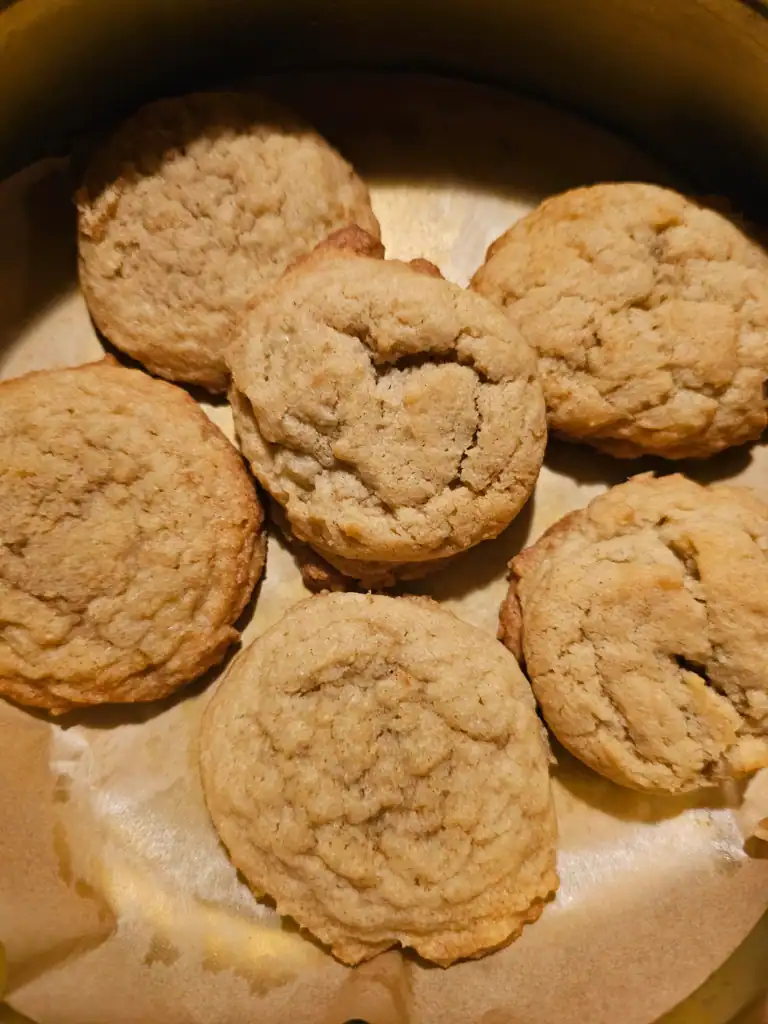
Few things are more disappointing than pulling a tray of cookies out of the oven only to find they’ve spread into one big, thin, greasy mess. Instead of soft, chewy, perfectly round cookies, you’re left with flat disks.
Cookie spreading is a common baking problem, especially for beginners, but the good news is that it’s easy to fix once you understand the causes. Let’s break down why your cookies spread too much and the simple ways to stop it from happening.
This post may contain affiliate links, read our privacy policy.
Common Reasons Cookies Spread Too Much
1. Butter Was Too Soft (or Melted)
If your butter is too warm, the fat melts too quickly in the oven, causing cookies to spread before they can set.
Fix: Butter should be softened but still slightly cool to the touch. If you accidentally melted your butter, chill the dough before baking.
2. Not Enough Flour
Flour provides structure. Too little flour means the dough can’t hold its shape.
Fix: Measure flour correctly using the spoon-and-level method. If your dough seems sticky, add a tablespoon or two of flour until it feels more balanced.
3. Too Much Sugar
Sugar liquifies when it bakes, so excess sugar can make cookies spread too far.
Fix: Double-check your recipe measurements. If you’ve reduced flour or increased sugar, the dough won’t hold properly.
4. Overmixing the Dough
Overmixing adds air to the dough, which causes cookies to rise and then collapse into flat puddles.
Fix: Mix just until ingredients are combined. Stir in mix-ins like chocolate chips gently at the end.
5. Skipping Chill Time
Some cookie doughs need time to chill so the butter solidifies and the flour hydrates. Skipping this step often results in spreading.
Fix: Chill dough for at least 30 minutes (or longer for recipes that recommend it). This step is especially important for cut-out cookies and recipes with high butter content.
6. Using the Wrong Baking Sheet
Dark or thin pans heat quickly, melting butter too fast. Greased pans also encourage spreading.
Fix: Use light-colored, heavy-duty baking sheets and line them with parchment paper or silicone baking mats instead of greasing.
7. Oven Temperature Is Too Low
If the oven isn’t hot enough, cookies spread before they have a chance to set.
Fix: Always preheat your oven and use an oven thermometer to make sure the temperature is accurate.
8. Old or Expired Leavening Agents
If your baking soda or baking powder is past its prime, it won’t give cookies the rise they need.
Fix: Test your leavening agents before using them. Baking soda should fizz in vinegar, and baking powder should bubble in hot water.
Tips to Prevent Cookies from Spreading
- Always measure ingredients properly
- Use room temperature ingredients unless otherwise noted
- Chill dough if cookies spread too quickly
- Test one cookie before baking the whole batch, if it spreads too much, adjust by adding a bit more flour
- Avoid placing dough on a warm baking sheet; always start with a cool pan
FAQ
Why did my cookies spread even though I followed the recipe?
Sometimes factors like warm kitchen temperatures, hot baking sheets, or slight measurement errors can cause spreading. Chilling the dough often fixes this.
Can I fix cookie dough that’s too soft?
Yes! Add 1–2 tablespoons of flour, mix gently, and chill before baking.
Why are my cookies greasy?
Too much butter or sugar can make cookies oily. Also, placing dough on a greased baking sheet encourages excess spreading.
How can I get thicker cookies?
Chill the dough, use parchment or silicone mats instead of greased pans, and make slightly taller dough balls instead of flat scoops.
Is chilling cookie dough always necessary?
Not always, but it often helps with spreading, flavor, and texture. Some recipes (like shortbread or sugar cookies) rely on it more than others.
Final Thoughts
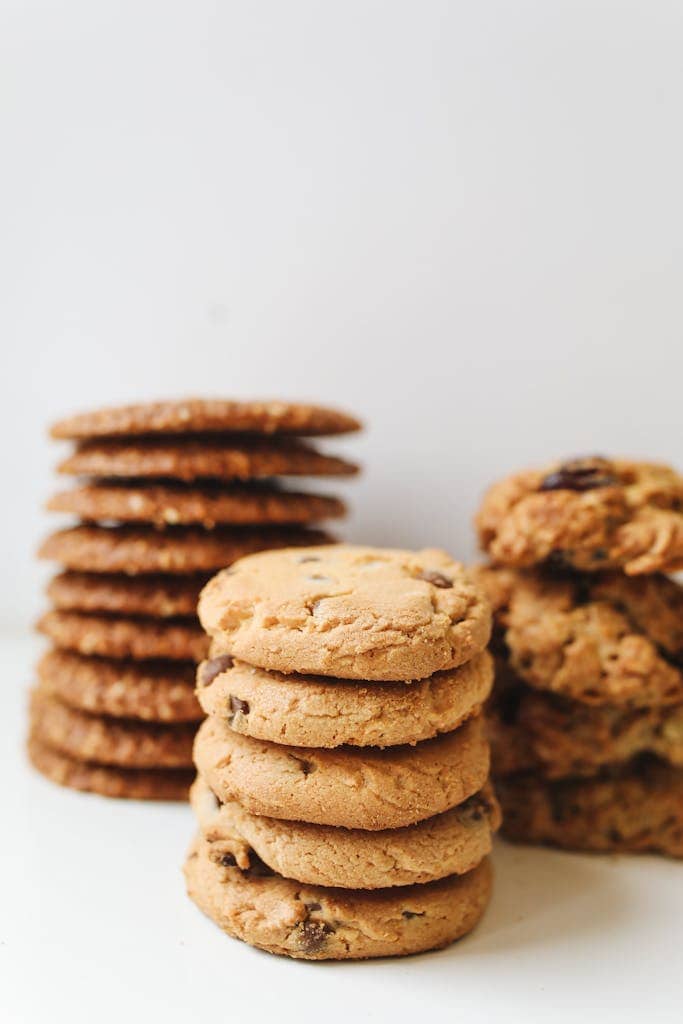
Cookies that spread too much can be frustrating, but with a few adjustments, you can fix the problem. Properly measuring ingredients, chilling your dough, and using the right baking sheets can make all the difference. Once you master these tips, you’ll get consistent, bakery-style cookies every time.