Common Baking Mistakes Beginners Make (and How to Avoid Them)
Baking is one of the most rewarding hobbies, but it can also be one of the most frustrating, especially when you follow a recipe and your cookies spread too much, your cake sinks in the middle, or your bread turns out dense. The good news is that most baking fails come down to a few common mistakes.
Once you know what to look out for, you can avoid them and bake with confidence. Here are the most common baking mistakes beginners make and the simple ways to fix them.
This post may contain affiliate links, read our privacy policy.
1. Not Measuring Ingredients Properly
Baking is a science, and accurate measurements matter. Scooping flour directly from the bag can pack too much into your measuring cup, making baked goods dry and dense.
How to fix it:
Use the spoon and level method, spoon flour into your measuring cup and level it off with a knife. Even better, invest in a kitchen scale for precise measurements.
2. Using Cold Ingredients When the Recipe Calls for Room Temperature
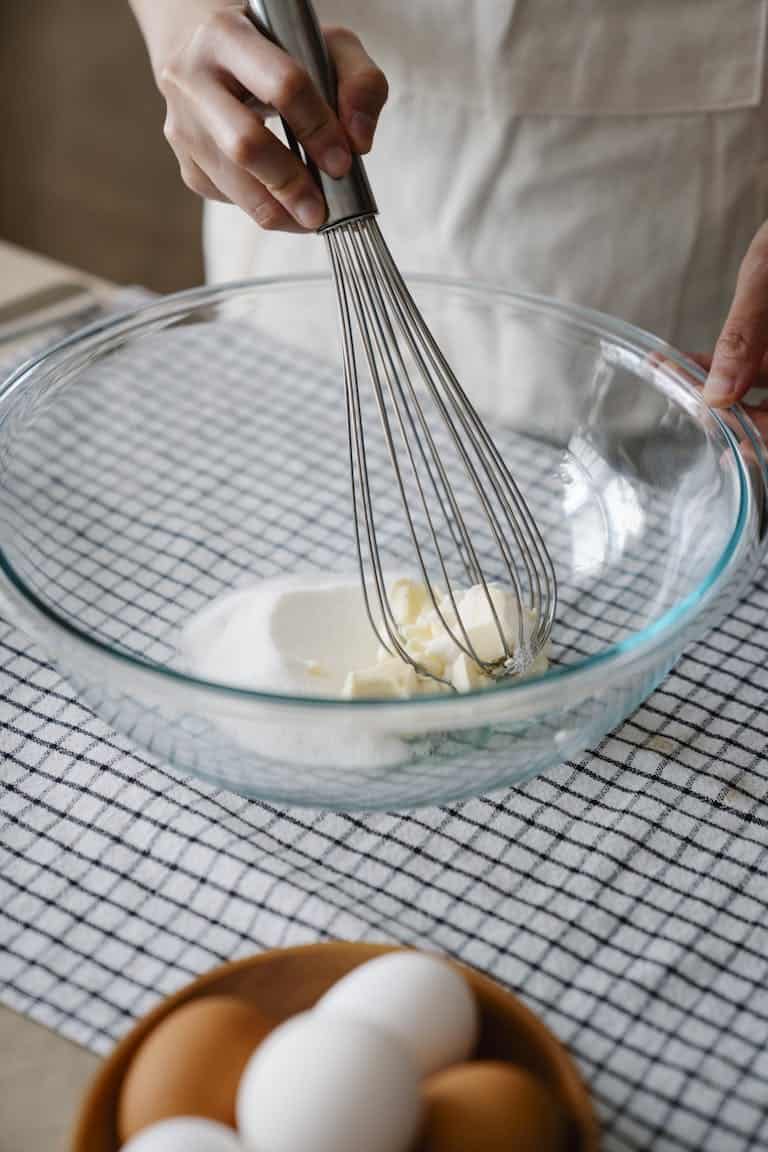
Cold butter, eggs, or dairy can prevent batters from mixing properly, leading to lumpy or dense results.
How to fix it:
Plan ahead and bring ingredients to room temperature (65–70°F) before baking. If you forget, speed it up by placing eggs in warm water for a few minutes or cutting butter into small pieces.
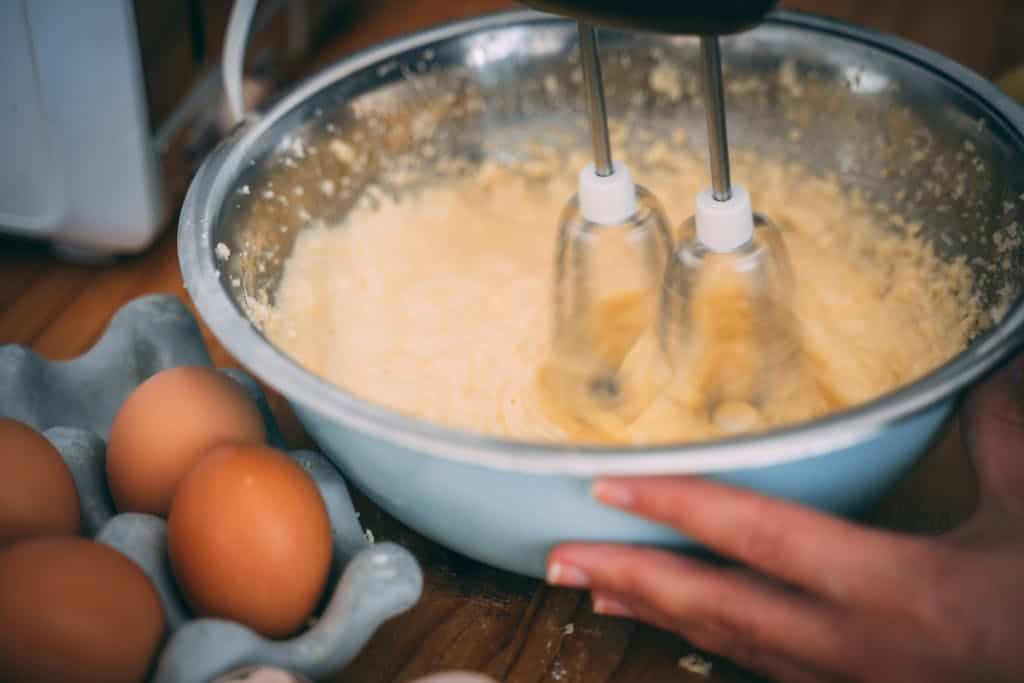
3. Overmixing the Batter or Dough
When flour is overmixed, the gluten develops too much, making cakes or muffins tough instead of tender.
How to fix it:
Mix until just combined. For cakes and muffins, stop as soon as no streaks of flour remain. For cookies, gently fold in mix-ins instead of overworking the dough.
4. Ignoring Oven Temperature Accuracy
Many ovens run hotter or cooler than the dial says, which can lead to uneven baking, burnt edges, or undercooked centers.
How to fix it:
Use an inexpensive oven thermometer to check accuracy and adjust accordingly. Always preheat your oven before baking.
5. Opening the Oven Door Too Often
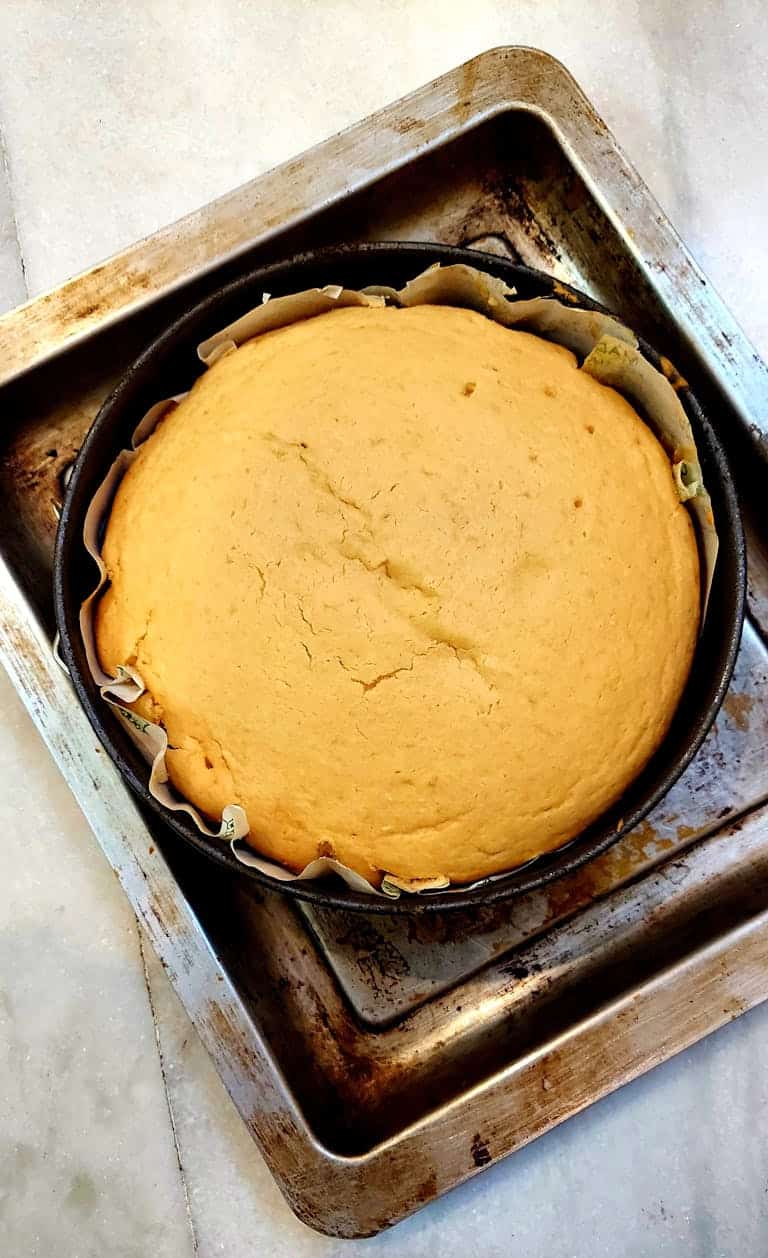
It’s tempting to peek, but every time you open the oven door, heat escapes. This can cause cakes to sink or baked goods to cook unevenly.
How to fix it:
Use the oven light instead of opening the door. If you must check, wait until at least two-thirds of the baking time has passed.
6. Not Preparing Pans Correctly
Forgetting to grease, line, or flour pans can cause your baked goods to stick and fall apart.
How to fix it:
Always read the recipe carefully. Some call for greased pans, others for parchment paper, and some for leaving pans ungreased (like for angel food cake).
7. Substituting Ingredients Without Understanding Their Role
Replacing sugar with honey or butter with oil isn’t always straightforward. Each ingredient has a purpose, and swaps can affect texture, rise, and flavor.
How to fix it:
Learn what ingredients do in baking before substituting. Follow recipes closely until you’re more comfortable experimenting.
8. Not Letting Baked Goods Cool Properly
Cutting into a cake or bread too soon can cause it to crumble or collapse. Cooling allows structure and flavors to set.
How to fix it:
Follow cooling instructions carefully. For most cakes, let them cool in the pan for 10–15 minutes before transferring to a wire rack. Cookies should cool for a couple of minutes on the sheet before moving.
9. Forgetting to Check Expiration Dates
Old baking powder, baking soda, or yeast may not work properly, leading to flat or dense baked goods.
How to fix it:
Check expiration dates before baking. Test baking powder by mixing with hot water (it should bubble) and baking soda by mixing with vinegar (it should fizz).
10. Skipping Recipe Steps
Baking isn’t as flexible as cooking. Skipping steps like sifting flour, chilling dough, or whipping egg whites to stiff peaks can ruin a recipe.
How to fix it:
Read through the entire recipe before starting. Gather all ingredients and equipment in advance to avoid missing important steps.
FAQ
Why are my cookies flat?
Usually from too little flour, butter that’s too soft, or skipping the chill time for the dough.
Why did my cake sink in the middle?
Often caused by opening the oven door too early, underbaking, or using expired leavening agents.
Why is my bread dense?
The dough may not have been kneaded enough, didn’t rise long enough, or the yeast was inactive.
Why do my cupcakes overflow?
Overfilling cupcake liners or using too much leavening agent can cause them to spill over.
Can I fix an overbaked cake?
You can’t reverse dryness, but brushing layers with simple syrup or serving with frosting, glaze, or whipped cream can help.
Final Thoughts
Baking doesn’t have to be intimidating. By avoiding these common mistakes like improper measuring, using the wrong ingredient temperature, or skipping important steps, you’ll be able to bake with confidence and get consistent, delicious results every time. Remember: practice makes perfect, and even baking mistakes are a chance to learn.