Baking Ingredients Guide: Uses, Substitutions and Tips
Baking is both an art and a science. Every ingredient plays a role in how your cookies, cakes, breads, and pies turn out. Understanding what each ingredient does and what you can substitute when you run out, can take your baking from good to amazing. This ultimate baking ingredients guide covers everything you need to know, from flours to fats, sugars, leavening agents, and more.
This post may contain affiliate links, read our privacy policy.
Why This Baking Ingredients Guide Is Helpful
- Learn what each ingredient does in baking
- Discover easy substitutions when you’re missing something
- Get tips for success so your baked goods turn out perfect every time
- Useful for beginners, home bakers, and seasoned pros who want a refresher
Baking Ingredient Breakdown
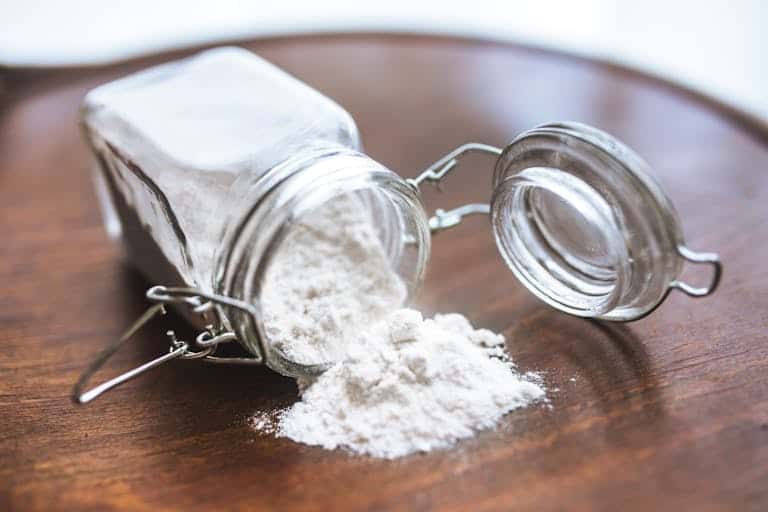
1. Flour
- What it does: Provides structure. The gluten formed in flour gives baked goods their texture.
- Types:
- All-Purpose Flour – versatile, works in most recipes.
- Bread Flour – higher protein, chewier texture, best for yeast breads.
- Cake Flour – low protein, makes soft, tender cakes.
- Whole Wheat Flour – adds nuttiness, fiber, denser texture.
- Substitutions:
- Cake flour → all-purpose minus 2 Tbsp, add 2 Tbsp cornstarch.
- Bread flour → all-purpose with 1–2 tsp vital wheat gluten.
- Gluten-free option → use a 1:1 gluten-free flour blend.
2. Sugar
- What it does: Adds sweetness, moisture, browning, and tender texture.
- Types:
- Granulated Sugar – classic white sugar, most common.
- Brown Sugar – adds moisture and a deeper molasses flavor.
- Powdered Sugar – used in frostings, glazes, and dusting.
- Turbinado or Raw Sugar – coarse, crunchy topping.
- Substitutions:
- Brown sugar → white sugar + 1 Tbsp molasses.
- Powdered sugar → blend 1 cup granulated sugar + 1 Tbsp cornstarch.
- Honey, maple syrup, or agave can replace sugar (reduce liquid slightly).
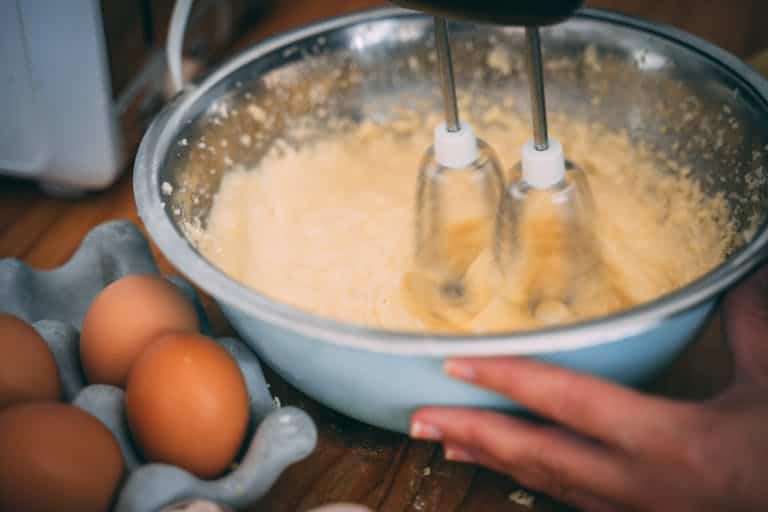
3. Eggs
- What they do: Bind ingredients, add structure, moisture, richness, and help with leavening.
- Substitutions:
- 1 egg = ¼ cup applesauce, mashed banana, or pumpkin puree.
- 1 egg = 1 Tbsp ground flaxseed + 3 Tbsp water (let sit to gel).
- Commercial egg replacers work for vegan baking.
4. Butter & Fats
- What they do: Add richness, flavor, tenderness, and moisture. Fats also impact flakiness (like in pie crusts).
- Types:
- Butter – best flavor, gives tenderness and rise.
- Oil – keeps baked goods moist and soft.
- Shortening – creates flakier pie crusts and soft cookies.
- Substitutions:
- Butter ↔ margarine (not always ideal for flavor).
- Oil → use melted butter or applesauce (for lower fat).
- Coconut oil works in many recipes.
5. Leavening Agents (Baking Powder, Baking Soda, Yeast)
- What they do: Help baked goods rise and become light and fluffy.
- Types:
- Baking Soda – needs acid (buttermilk, lemon, vinegar) to activate.
- Baking Powder – contains acid already, works in most recipes.
- Yeast – used for breads, requires time to ferment.
- Substitutions:
- 1 tsp baking powder = ¼ tsp baking soda + ½ tsp cream of tartar.
- No yeast? Try baking powder or sourdough starter (texture will differ).
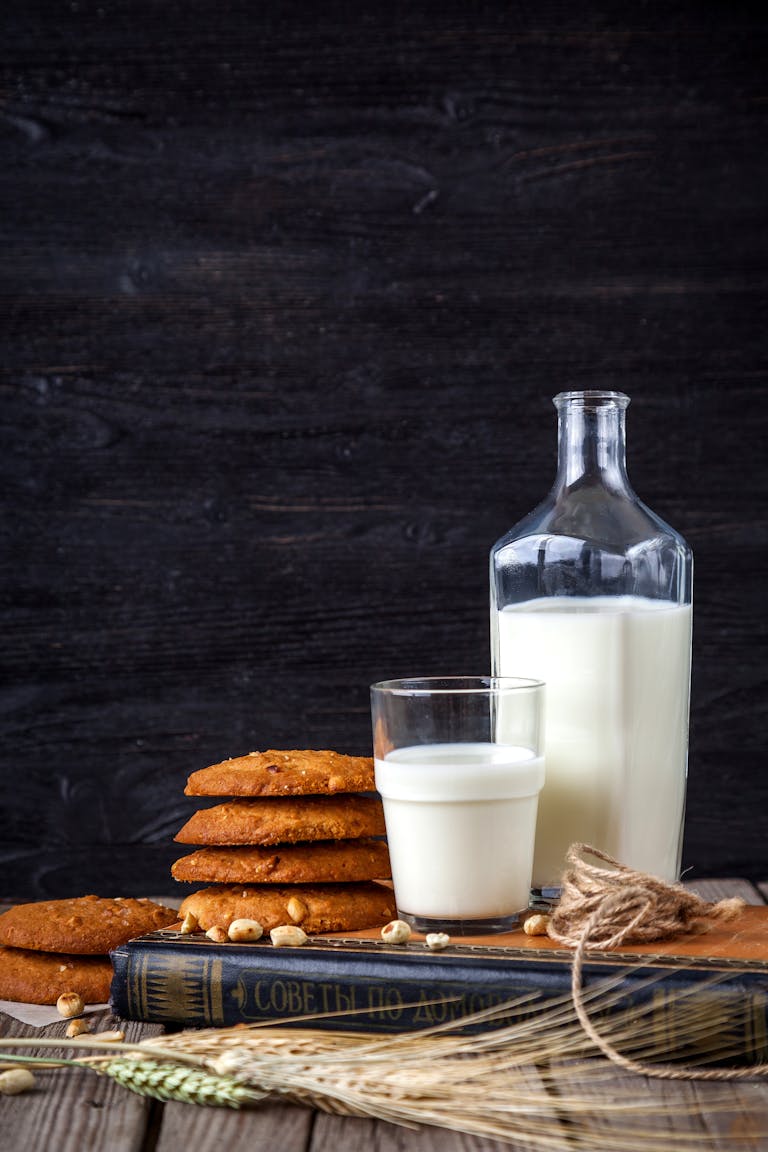
6. Dairy (Milk, Cream, Yogurt, Buttermilk)
- What they do: Add richness, moisture, and help activate leavening.
- Substitutions:
- Buttermilk → 1 cup milk + 1 Tbsp vinegar or lemon juice.
- Milk → plant-based milk (almond, oat, soy, coconut).
- Sour cream or Greek yogurt can replace buttermilk for tang.
7. Salt
- What it does: Balances sweetness, enhances flavors, and controls yeast growth.
- Substitutions:
- Kosher, table, or sea salt (use slightly less if using table salt, as it’s finer).
- Unsalted butter + pinch of salt = salted butter substitute.
8. Flavorings (Vanilla, Spices, Cocoa, Extracts)
- What they do: Enhance and deepen flavor.
- Common Types:
- Vanilla Extract – warm, sweet flavor base.
- Cocoa Powder – chocolate flavor (natural or Dutch-processed).
- Spices (cinnamon, nutmeg, ginger, cloves, cardamom) – warmth and complexity.
- Substitutions:
- Vanilla extract → almond extract, maple syrup, or leave out.
- Cocoa powder → hot cocoa mix in a pinch (less rich).
Storage Tips for Baking Ingredients
- Flour & Sugar: Store in airtight containers in a cool, dry place.
- Brown Sugar: Keep soft with a slice of bread or apple in the container.
- Butter: Refrigerate; freeze for longer storage.
- Yeast: Store in fridge or freezer for freshness.
- Spices: Keep away from light and heat; replace yearly for best flavor.
FAQs: Baking Ingredients
Can I use salted butter instead of unsalted in baking?
Yes, but reduce added salt in the recipe by ¼ tsp per stick of butter.
What’s the difference between baking powder and baking soda?
Baking soda needs an acid to work, while baking powder already has acid mixed in.
Can I make a recipe gluten-free by just swapping flour?
Yes, but only with a 1:1 gluten-free blend. Single flours (like almond or coconut) won’t substitute equally.
My brown sugar is hard, can I still use it?
Yes! Soften it by microwaving with a damp paper towel for 20–30 seconds.
Do I need to sift flour?
Sifting isn’t always necessary, but it helps aerate flour for lighter cakes and prevents lumps.
What’s the best sugar substitute for baking?
For natural options, try honey, maple syrup, or coconut sugar. For low-calorie baking, erythritol or monk fruit blends work best.