How to Tell When Your Cake Is Done Without a Toothpick
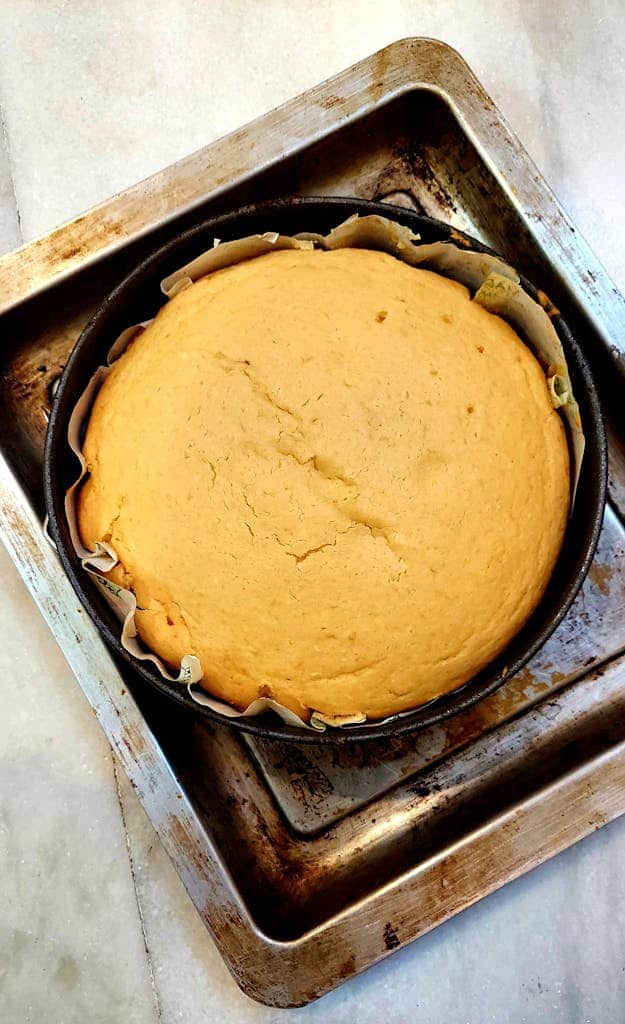
You’ve followed your cake recipe carefully, the house smells amazing, and the timer is about to go off, but how do you know if your cake is really done? While many recipes suggest using a toothpick, not everyone has them on hand.
The good news is you don’t need a toothpick to check doneness. There are several reliable (and often more effective) ways to test your cake so you never end up with an underbaked middle or a dry, overbaked dessert.
This post may contain affiliate links l, read our privacy policy.
Why You’ll Like This Guide
- Learn multiple foolproof methods to check cake doneness.
- Never worry about having toothpicks on hand again.
- Avoid common cake mishaps like sinking centers or dry texture.
- Gain confidence in your baking skills with these easy tricks.
How to Tell When a Cake Is Done Without a Toothpick
1. The Finger Press Test
Gently press the center of the cake with a clean finger. If the cake springs back right away, it’s done. If your finger leaves an indentation, it needs more time in the oven.
2. Check the Edges
Look closely at the sides of the cake pan. When a cake is done, it will start to pull slightly away from the edges. If the batter still looks stuck, give it a few more minutes.
3. Listen to the Cake
This trick may surprise you: lean in and listen. A cake that’s still baking will make a light crackling or bubbling sound from the moisture evaporating. When the sound stops (or is very faint), your cake is done.
4. Use a Knife or Skewer
If you don’t have a toothpick, a thin knife, wooden skewer, or even a strand of dry spaghetti works just as well. Insert it into the center of the cake—if it comes out clean or with just a few crumbs, your cake is ready.
5. Temperature Check
If you own an instant-read thermometer, this is the most accurate way to know. Insert it into the center of the cake (not touching the pan). A cake is done when it reaches about 200–210°F (93–99°C) for butter cakes and 205–210°F (96–99°C) for sponge cakes.
6. The Smell Test
Your nose knows! A finished cake gives off a fragrant, toasty aroma that fills the kitchen. If you can smell it strongly, it’s likely close to being done—check it using one of the other methods above.
Tips for Perfect Cake Doneness
- Don’t open the oven too early. Opening the door before the cake has set can cause it to collapse. Wait until at least two-thirds of the baking time has passed.
- Rotate for even baking. If your oven has hot spots, gently rotate the pan about three-quarters through baking.
- Check early. Ovens vary, so start checking 5 minutes before the suggested bake time.
Common Mistakes to Avoid
- Cutting into the cake to check. This releases moisture and can ruin the texture. Use one of the no-toothpick methods instead.
- Relying only on color. Some cakes brown more quickly depending on the sugar or fat content, so color alone isn’t always accurate.
- Overbaking just to be safe. This leads to dry, tough cake. Trust the methods above instead.
FAQ
What if my cake sinks in the middle after baking?
This usually means it wasn’t fully baked or the oven door was opened too soon. Next time, use the finger press or thermometer test to confirm doneness before removing.
How do I know when a bundt cake is done?
Bundt cakes are thicker and take longer. The thermometer test is the most reliable, but you can also use a skewer or spaghetti strand.
Is it okay if crumbs stick to my tester?
Yes! If they’re dry crumbs, the cake is done. If the crumbs look wet or gooey, it needs more time.
Why is the thermometer the best method?
It’s precise and avoids guesswork. Since every oven is different, temperature takes the mystery out of cake baking.