Why Creaming Butter and Sugar Matters (and How to Do It Right)
If you’ve ever read a baking recipe, you’ve probably seen the instruction: “Cream the butter and sugar together until light and fluffy.” But what does creaming butter and sugar really mean, and why is it such an important step in baking? This guide explains everything you need to know, including why it matters, step-by-step instructions, common mistakes, substitutions, and FAQs.
This post may contain affiliate links, read our privacy policy.
What Does Creaming Butter and Sugar Mean?
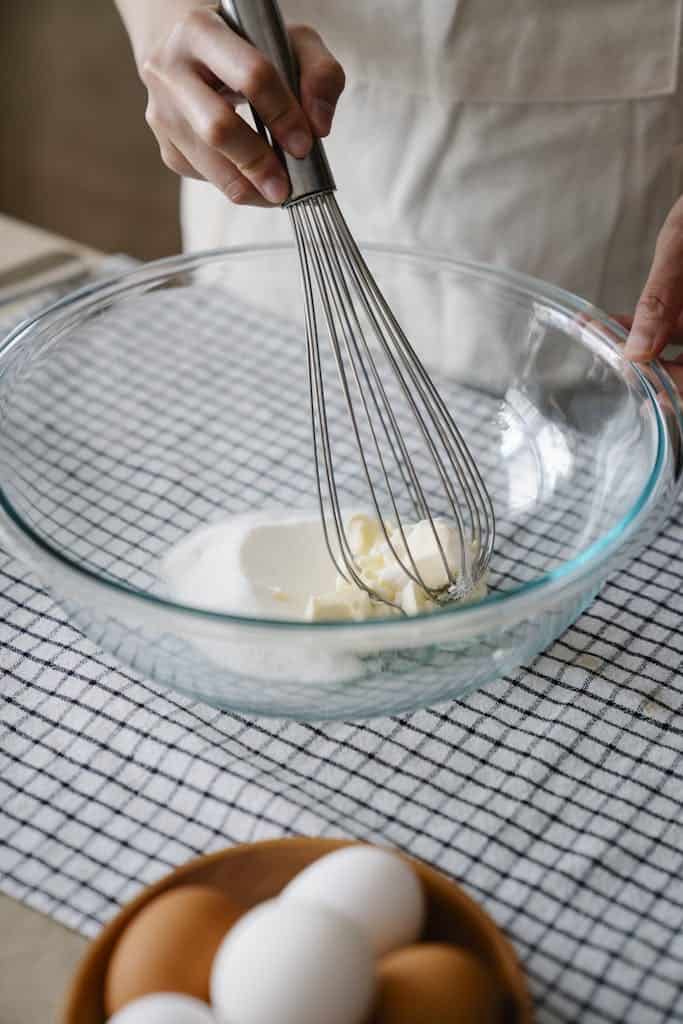
Creaming is the process of beating butter and sugar together until the mixture becomes light, pale, and fluffy. During this step, sugar crystals cut into the butter, creating tiny air pockets that help leaven baked goods. This is essential for achieving tender cakes, cookies, and quick breads with the right texture.
Why Creaming Butter and Sugar is Important
- Incorporates air: Helps baked goods rise and become fluffy.
- Creates structure: The air pockets expand in the oven, giving cakes and cookies their soft texture.
- Even sweetness: Sugar dissolves evenly, distributing flavor throughout.
- Better blending: Ensures a smooth batter when you add eggs and dry ingredients.
Step-by-Step: How to Cream Butter and Sugar
- Start with softened butter
Butter should be at room temperature, soft enough to press with your finger but not melted. Cold butter won’t mix well, and melted butter won’t hold air. - Add butter and sugar to the bowl
Place both in a large mixing bowl. Use the ratio your recipe calls for (typically equal parts by volume in cookies and cakes). - Beat with a mixer
Using a stand mixer or hand mixer, beat the butter and sugar on medium speed. Start slow to prevent sugar from flying everywhere, then increase speed. - Look for light and fluffy texture
This usually takes 2–5 minutes. The mixture should look pale yellow, creamy, and airy. If it still looks grainy, keep mixing. - Scrape the bowl
Stop occasionally to scrape down the sides of the bowl. This ensures all the butter and sugar are fully combined. - Proceed with recipe
Once creamed, you can add eggs, flavorings, and dry ingredients as directed.
Tips for Successful Creaming
- Always use room temperature butter (65–68°F is ideal).
- Don’t overbeat, if you mix too long, the butter can start to break down.
- Use granulated sugar for best results. Powdered sugar won’t create the same air pockets.
- If your kitchen is hot, chill the butter slightly before creaming so it doesn’t melt.
Substitutions for Butter and Sugar in Creaming
- Butter substitutes: Margarine, shortening, or coconut oil can sometimes be used, but the texture will differ since they don’t trap air as well.
- Sugar substitutes: Brown sugar can be creamed (adds moisture and flavor). Liquid sweeteners like honey or maple syrup won’t work in the creaming method since they don’t create air pockets.
- Vegan options: Use plant-based butter sticks, but look for ones with a similar fat content to real butter for the best texture.
Common Mistakes When Creaming Butter and Sugar
- Using cold butter: Too firm and won’t whip properly.
- Using melted butter: Won’t hold air, leading to dense baked goods.
- Not mixing long enough: Results in grainy batter and poor rise.
- Mixing too long: Can make the butter greasy and cause cookies to spread too much.
Storage Tips
- If you cream butter and sugar but can’t continue baking right away, refrigerate the mixture for a few hours. Let it soften again before adding other ingredients.
- For make-ahead prep, measure butter and sugar in advance and keep them ready to cream when needed.
FAQ
Can I cream butter and sugar by hand?
Yes, but it takes more effort. Use a wooden spoon or whisk and beat vigorously until the mixture looks pale and fluffy.
How long should I cream butter and sugar?
Usually 2–5 minutes with a mixer, depending on butter temperature and mixer speed.
Can I cream butter with powdered sugar?
You can, but it won’t incorporate the same air. Powdered sugar is best for frostings, not for the creaming step in baking.
My cookies turned out flat, did I cream wrong?
Possibly. Overmixing or undermixing can affect structure. Flat cookies can also result from too little flour or too warm dough.
What recipes require creaming butter and sugar?
Cakes, muffins, pound cakes, and most cookies rely on this method for texture and rise.