How to Brown Butter for Extra Flavor in Cookies and Cakes
If you’ve ever wondered how to take your baking to the next level, the answer may be simpler than you think, brown butter. This one technique can transform ordinary cookies, cakes, or bars into something rich, nutty, and unforgettable.
Learning how to brown butter for baking is a skill every home baker should have in their recipe toolkit. In this guide, you’ll learn exactly what browned butter is, how to make it, why it makes such a big difference in flavor, and the best ways to use it in your baked goods.
This post may contain affiliate links, read our privacy policy.
What is Brown Butter?
Brown butter, or beurre noisette in French, is regular butter that has been melted and cooked just long enough for the milk solids to caramelize. This process creates a rich, nutty aroma and a deep golden-brown color. Unlike simply melting butter, browning it develops complex flavors that add depth and warmth to baked goods. Think of it as unlocking butter’s full flavor potential.
Why Brown Butter Makes a Difference in Baking
Brown butter adds an irresistible nuttiness and richness to recipes. It intensifies flavors in cookies, cakes, bars, muffins, and frostings, turning simple recipes into bakery-worthy treats. It also pairs especially well with flavors like vanilla, caramel, chocolate, and nuts. Because some of the water in butter evaporates during the browning process, recipes made with browned butter may also have a chewier texture and deeper color, especially in cookies.
Step-by-Step: How to Brown Butter
- Start with unsalted butter. Unsalted butter allows you to control the salt in your recipe. Cut it into equal-sized pieces to help it melt evenly.
- Use a light-colored pan. A stainless-steel or light-colored saucepan makes it easier to see when the butter has browned. Dark pans can make it difficult to judge the color.
- Melt the butter over medium heat. Place the butter in the pan and let it melt slowly, stirring occasionally.
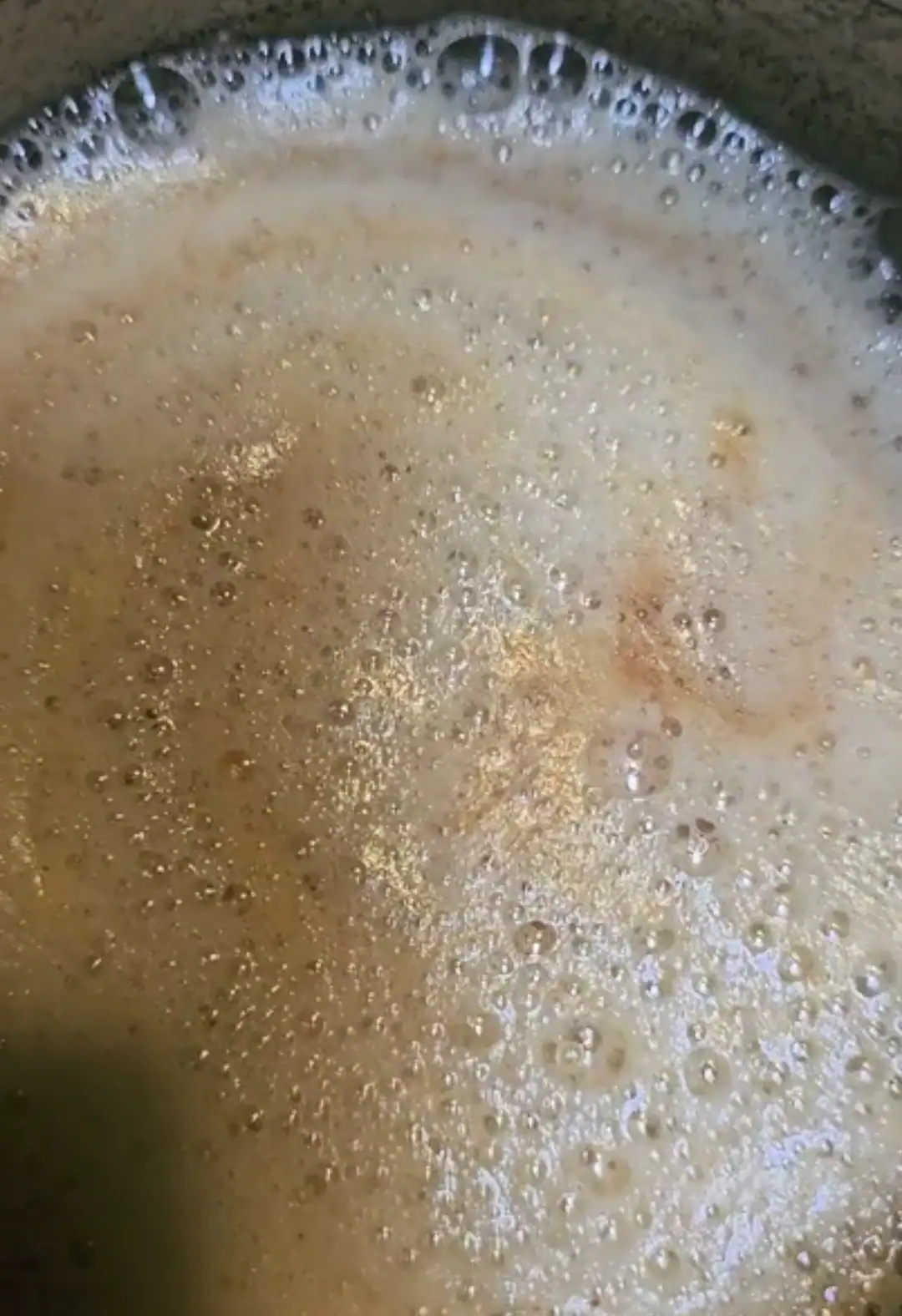
- Watch for foaming and popping. As the butter melts, it will foam and sizzle as the water evaporates. Stir frequently to prevent burning.
- Look for golden brown specks. Once the foaming slows down, you’ll see the milk solids sink and turn golden brown at the bottom of the pan. The butter will also smell nutty and fragrant.
- Remove from heat immediately. When the butter turns a deep golden color with brown specks, take it off the heat to prevent burning.
- Cool before using. Let the browned butter cool slightly before adding it to recipes. Some recipes may require the butter to return to a solid or softened state before mixing.
Baking Tips for Brown Butter Success
- Don’t walk away. Brown butter can go from perfect to burnt in seconds. Stay close and keep stirring.
- Make extra. Since butter reduces as it browns, measure your butter after browning if your recipe requires precision. A good rule of thumb is to start with 1–2 tablespoons more than the recipe calls for.
- Enhance with flavor. For even more depth, try adding a pinch of cinnamon, nutmeg, or sea salt to the butter while it’s browning.
- Strain if needed. If you prefer a smoother butter without specks, strain it through cheesecloth after browning.
Substitutions and Recipe Adjustments
If a recipe calls for melted butter, you can almost always substitute browned butter for extra flavor. However, because brown butter has less water content, recipes that rely heavily on butter for structure, such as certain cakes or pastries, may need slight adjustments.
If you’re unsure, start with cookies, bars, or frostings where browned butter shines best. For vegan or dairy-free baking, you can mimic the nutty flavor of browned butter by using a plant-based butter alternative and adding a touch of toasted nuts or nut oils for depth.
Best Baked Goods to Use Brown Butter In
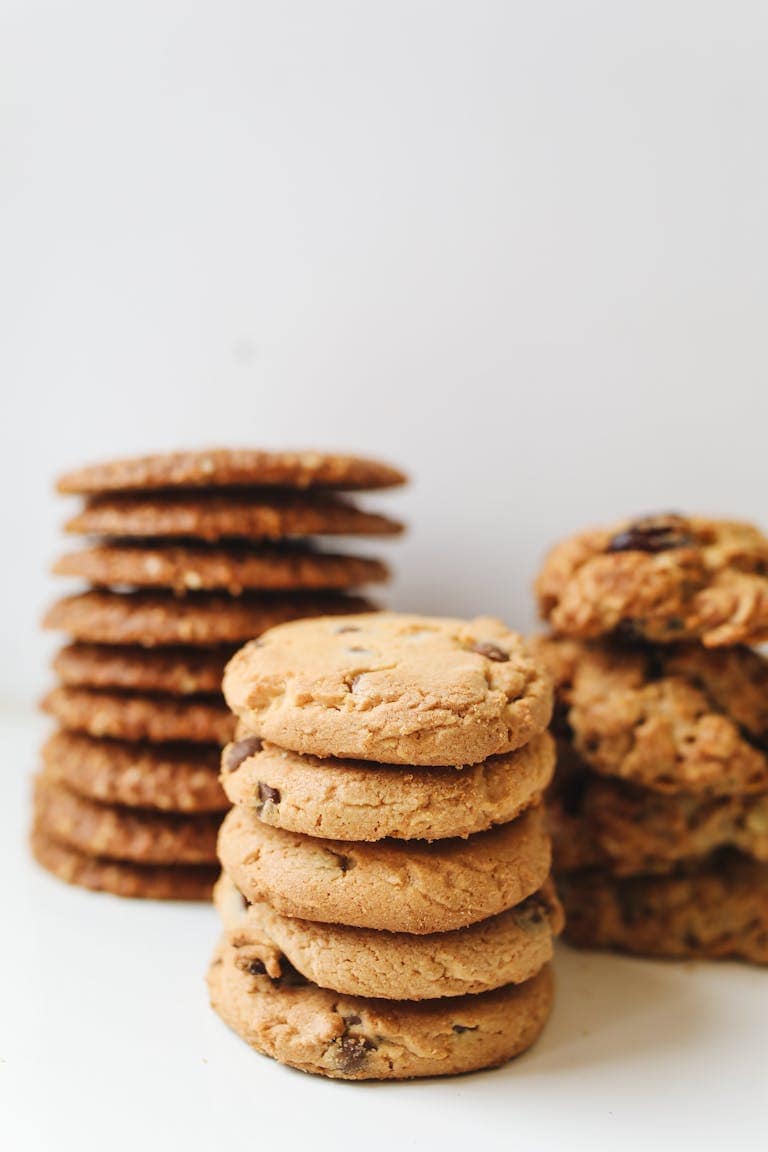
- Cookies: Chocolate chip, peanut butter, or sugar cookies instantly taste richer.
- Brownies and blondies: Adds a caramel-like depth to every bite.
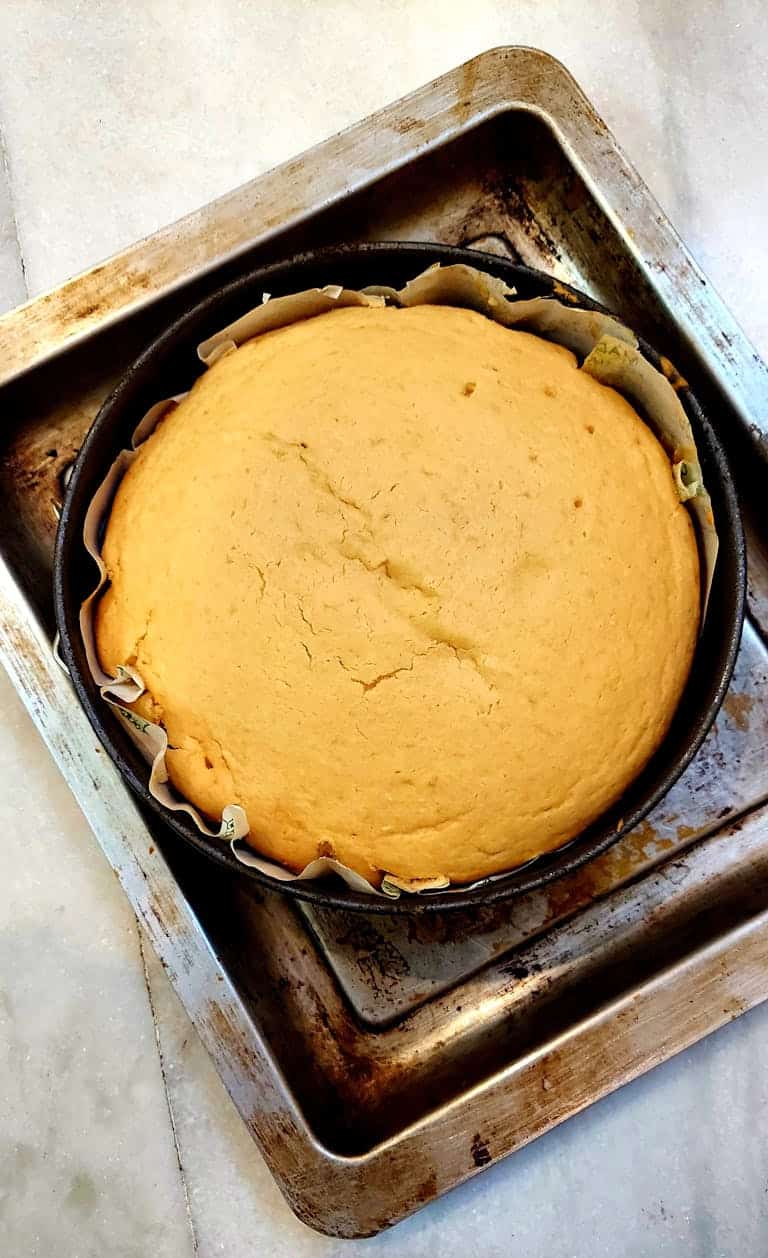
- Cakes: Especially pound cakes, coffee cakes, and spice cakes.
- Frostings and glazes: A browned butter glaze over cinnamon rolls is unforgettable.
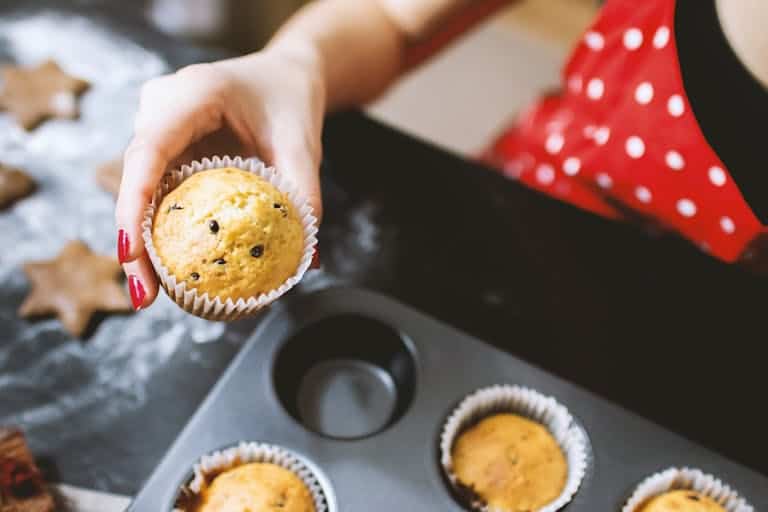
- Muffins and quick breads: Banana bread, pumpkin muffins, and zucchini bread become even more flavorful.
Storage Tips
Brown butter can be made ahead and stored for later use.
- Refrigerator: Store in an airtight container for up to 2 weeks.
- Freezer: Freeze in small portions (like in an ice cube tray) for up to 3 months.
- Room temperature: If using within a few days, you can keep it covered on the counter. It will solidify but can be re-melted.
Need more baking tips about butter? Read my post about how to cream butter and sugar.
FAQ
Can I brown salted butter?
Yes, but unsalted butter gives you more control over the saltiness of your recipe.
Why did my butter burn instead of brown?
The heat was too high or it wasn’t stirred often enough. Keep the heat medium to medium-low and watch carefully.
Can I use browned butter in place of softened butter?
Not directly. If a recipe calls for creamed butter and sugar, you’ll need softened butter. Browned butter is liquid and works best in recipes that call for melted butter.
How do I know when the butter is perfectly browned?
The butter should smell nutty and fragrant, and the milk solids at the bottom will be golden brown (not black).
Can I make brown butter in the microwave?
Yes, but it’s harder to control. Stovetop browning is more reliable.
Does brown butter change the texture of baked goods?
Yes, because it has less water content. This often leads to chewier cookies and richer, denser cakes or bars.
What flavors pair best with brown butter?
Vanilla, chocolate, caramel, pumpkin, banana, nuts, and spices like cinnamon and nutmeg all complement brown butter beautifully.