How to Knead Dough (By Hand vs. Stand Mixer)
Kneading is one of the most important steps in bread baking. Whether you’re making a rustic loaf, dinner rolls, or pizza dough, proper kneading develops gluten, giving your bread structure, chewiness, and a soft, airy crumb. But what’s the best way to knead dough, by hand or with a stand mixer?
In this guide, we’ll explore both methods, share tips for success, and help you decide which one works best for your baking style.

This post may contain affiliate links, read our privacy policy.
What Does Kneading Dough Do?
Kneading dough is the process of working flour and water together to develop gluten, the protein network that traps air bubbles and gives bread its structure. Without kneading, your dough would be dense and flat. Kneading also evenly distributes yeast and other ingredients so your bread rises properly and bakes evenly.
Kneading Dough by Hand
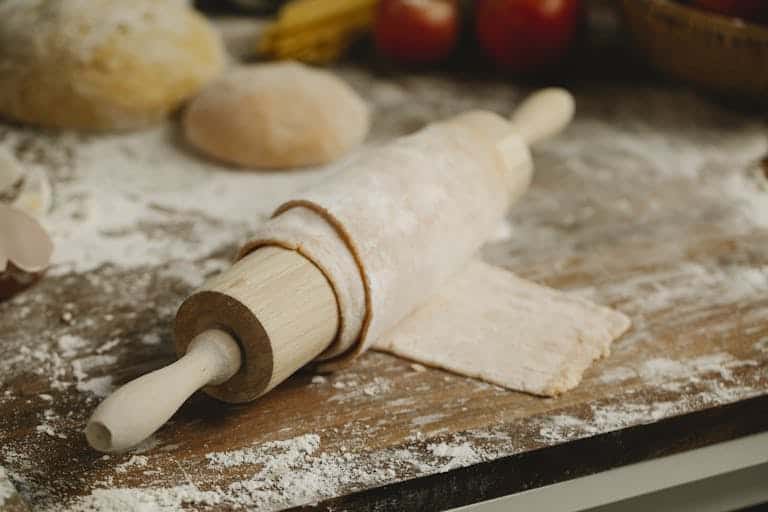
Kneading by hand is the traditional method and gives you full control over the texture and feel of your dough. To knead by hand:
- Lightly flour your work surface to prevent sticking.
- Turn the dough out of the bowl and use the heel of your hand to push it forward.
- Fold the dough over itself, turn it 90 degrees, and repeat.
- Continue for 8–10 minutes until the dough is smooth, elastic, and slightly tacky but not sticky.
Benefits of kneading by hand:
- You can feel the dough develop and know exactly when it’s ready.
- It requires no special equipment.
- It connects you to the process of breadmaking.
Drawbacks:
- It takes more physical effort.
- It can be time-consuming.
- Harder for large batches of dough.
Kneading Dough with a Stand Mixer
A stand mixer fitted with a dough hook makes kneading easier and faster. To knead with a stand mixer:
- Place the dough in the mixer bowl and attach the dough hook.
- Start on low speed until the ingredients come together.
- Increase to medium-low and knead for 6–8 minutes.
- Check for readiness using the “windowpane test” (stretching a piece of dough thin enough to see light through without tearing).
Benefits of kneading with a stand mixer:
- Saves time and effort.
- Consistent kneading results.
- Great for sticky or high-hydration doughs.
Drawbacks:
- Requires expensive equipment.
- Easy to over-knead if left unattended.
- Less tactile connection with the dough.
Tips for Kneading Dough Successfully
- Use the windowpane test: Stretch a small piece of dough between your fingers. If it stretches thin without tearing, it’s kneaded enough.
- Don’t add too much flour: Extra flour can make the dough dense and dry. Lightly flour only as needed.
- Rest the dough if needed: If kneading by hand and the dough resists stretching, let it rest for 5 minutes to relax the gluten before continuing.
- Avoid over-kneading in a mixer: Set a timer and check often. Overworked dough becomes tough.
- Hydration matters: Wetter doughs often need less kneading, while stiffer doughs benefit from extra time.
Hand Kneading vs. Stand Mixer: Which Should You Choose?
If you enjoy the process and want to feel the dough change under your hands, hand kneading is an excellent choice. It’s especially satisfying for small batches of bread or when learning the basics.
However, if you bake bread frequently, make larger batches, or prefer convenience, a stand mixer saves time and effort while still producing excellent results. Many bakers use both methods depending on the recipe and their mood.
New to baking bread and need tips on how to use yeast, read my yeast guide to help you bake more confidently.
FAQ
How do I know if my dough is kneaded enough?
Use the windowpane test. If it stretches thin and translucent without tearing, it’s ready.
Can I over-knead dough?
Yes. Over-kneaded dough is tough and can lead to dense bread with fewer air pockets. This is more common with stand mixers than hand kneading.
Is kneading always necessary?
Some breads, like no-knead bread, rely on long fermentation instead of kneading. But for most yeast breads, kneading is essential.
Which is better for beginners: hand or stand mixer?
Beginners often benefit from kneading by hand at least once or twice to learn how properly developed dough feels. After that, a stand mixer can make the process easier.
Why is my dough sticky even after kneading?
Sticky dough often means it’s high hydration. Instead of adding more flour, try oiling your hands and surface to handle it without changing the recipe.
Does kneading time change with different flours?
Yes. Whole wheat and rye flours often need longer kneading than all-purpose or bread flour because of their lower gluten content.
Final Thoughts
Kneading dough, whether by hand or with a stand mixer is the foundation of good bread baking. Both methods can produce delicious, bakery-quality loaves. The choice comes down to personal preference, available equipment, and the type of bread you’re making. By learning both techniques, you’ll be ready to bake anything from rustic sourdough to soft sandwich bread with confidence.