Baking with Yeast Made Easy: Tips, Types, and Troubleshooting
Yeast is one of the most important ingredients in baking, especially when it comes to breads, rolls, and pastries. If you’ve ever wondered what yeast actually does, how to use it properly, or what substitutions you can make, this guide will walk you through everything you need to know.
This post may contain affiliate links, read our privacy policy.
What is Yeast?
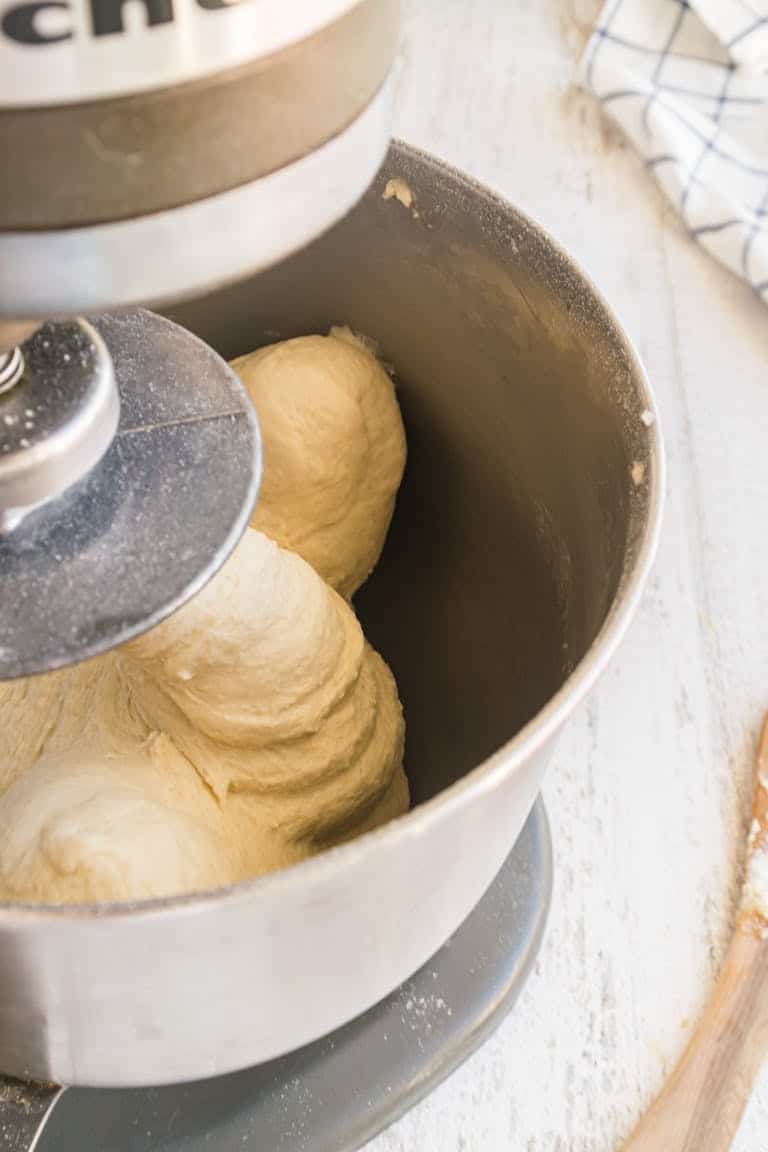
Yeast is a living microorganism that feeds on sugars and produces carbon dioxide and alcohol as byproducts. In baking, the carbon dioxide is what makes dough rise and creates that light, airy texture in bread. Yeast has been used for thousands of years to make bread, wine, and beer.
Types of Yeast
There are several kinds of yeast used in baking, and knowing the difference helps you get the best results.
Active Dry Yeast
Comes in granules and needs to be dissolved in warm water before use. It’s the most common type found in grocery stores.
Instant Yeast (or Rapid-Rise Yeast)
Finer than active dry yeast, doesn’t need to be dissolved before mixing into flour, and works faster.
Fresh Yeast (or Cake Yeast)
A moist, perishable form of yeast that comes in blocks. It gives great flavor but has a short shelf life.
Nutritional Yeast
Not for baking. This is deactivated yeast used for flavor in savory dishes, often with a cheesy taste.
Wild Yeast (Sourdough Starter)
Found naturally in the air and flour, used for sourdough baking. It requires maintenance but gives incredible flavor.
What Does Yeast Do in Baking?
- Produces carbon dioxide that makes dough rise
- Develops gluten structure in bread, giving it chewiness
- Adds complex flavors from fermentation
- Contributes to crust color and texture during baking
How to Use Yeast Properly
- Water temperature matters: Too hot will kill yeast, too cold will slow it down. Ideal range is 100–110°F (37–43°C).
- Proofing yeast: For active dry yeast, dissolve it in warm water with a pinch of sugar to check if it’s alive. Bubbles mean it’s active.
- Mixing yeast: Instant yeast can be added directly to flour. Active dry yeast usually needs proofing first.
- Rising times: Yeast activity depends on temperature and ingredients. A warm kitchen will make dough rise faster than a cold one.
Substitutions
If you don’t have yeast on hand, there are a few alternatives.
- Baking powder: Works as a quick leavening agent for recipes like biscuits or quick breads. Not suitable for yeast breads.
- Baking soda + acid (like vinegar or lemon juice): Can give rise in cakes and muffins but won’t create the same flavor or texture as yeast.
- Sourdough starter: Can replace yeast in many bread recipes but requires adjusting rise times and hydration.
Common Problems and How to Fix Them
- Dough didn’t rise: Yeast might be old, water was too hot, or kitchen is too cold. Check expiration date and try proofing yeast before using.
- Dough rose too fast: Too much yeast or very warm conditions. Punch down the dough and let it rise again.
- Yeasty flavor: Too much yeast or over-fermentation. Use less yeast or reduce rise time.
- Dense bread: Not enough kneading, old yeast, or not enough rise time. Make sure to knead well and give dough proper resting.
Storage Tips
- Store unopened yeast packets in a cool, dry place.
- Once opened, keep yeast in an airtight container in the fridge or freezer.
- Active yeast can last months in the freezer if stored properly.
- Always check expiration dates, old yeast won’t rise well.
FAQ
Can I use instant yeast instead of active dry yeast?
Yes! You can substitute them 1:1. Just remember that instant yeast can be mixed directly into flour, while active dry yeast usually needs proofing.
How do I know if my yeast is still good?
Proof it in warm water with a little sugar. If it foams within 10 minutes, it’s active. If not, it’s dead.
Why does my bread taste sour?
Over-fermentation can cause sourness. Reduce rise time or refrigerate dough to slow yeast activity.
Can I freeze yeast?
Yes, yeast freezes very well. Store it in an airtight container and use directly from the freezer without thawing.
Is yeast healthy?
Yeast itself is low in calories and adds B vitamins. In bread, it helps develop flavor and texture but doesn’t add significant nutrition on its own.
Can I make bread without yeast?
Yes, you can use baking powder, baking soda, or sourdough starter. The flavor and texture will be different from traditional yeast breads.