
The Creamiest Stovetop Macaroni and Cheese
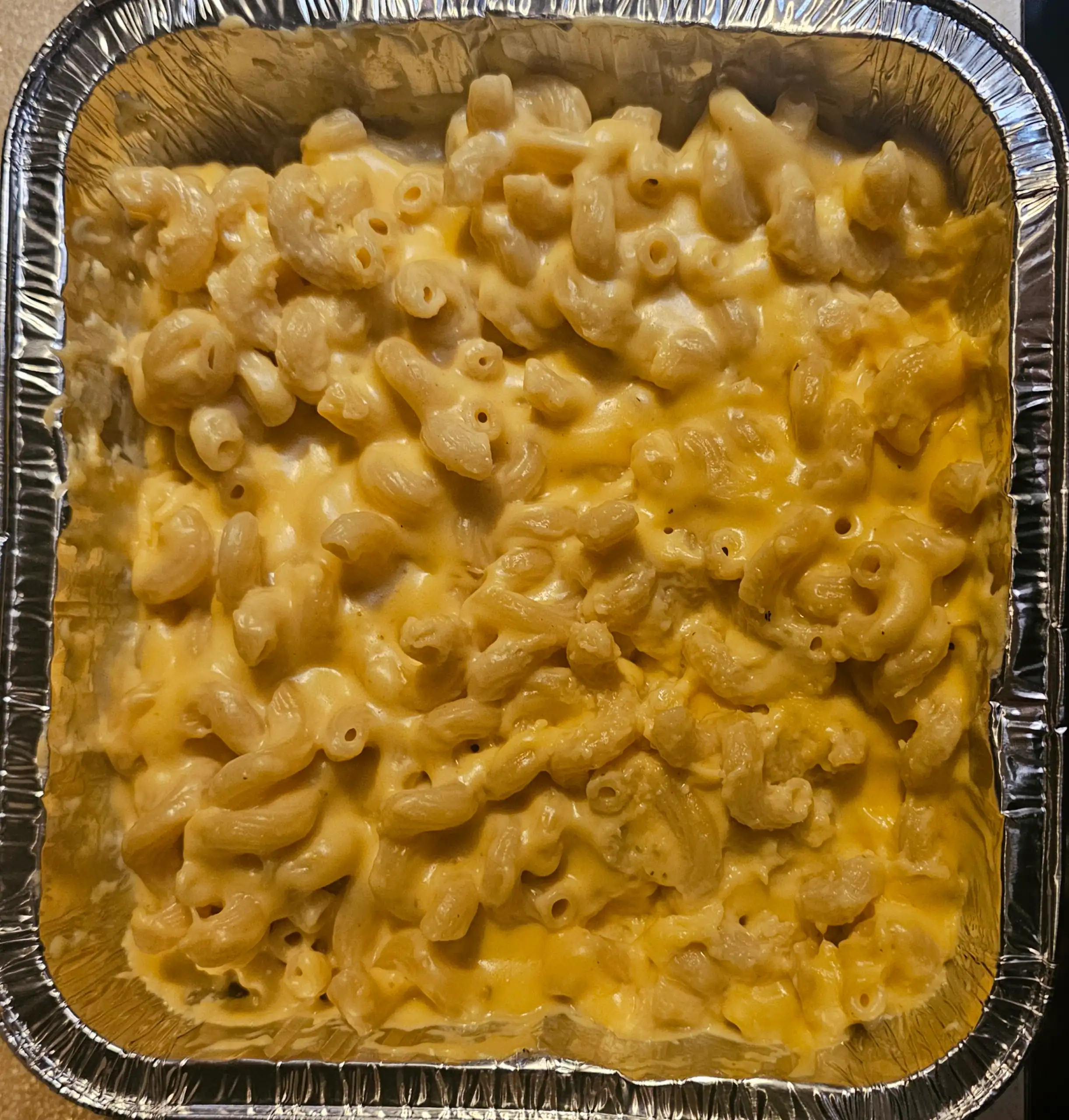
There are few dishes more comforting or universally loved than macaroni and cheese. While the boxed variety holds a nostalgic place in many of our hearts, there is truly no comparison to making it from scratch. This stovetop version is incredibly fast, coming together in about the same amount of time it takes to boil the pasta.
This post may contain affiliate links, read our privacy policy
The beauty of this specific recipe lies in its classic technique. It utilizes a roux, which is a cooked mixture of fat and flour, to thicken the milk into a velvety white sauce known as a béchamel. Once you add the cheese, it transforms into a Mornay sauce that coats every noodle perfectly. It is rich, savory, and infinitely better than anything you can get from a powder packet.
Why You Will Love This Recipe
If you are intimidated by making macroni and cheese sauce from scratch, this recipe is the perfect starting point. Here is why it belongs in your weekly dinner rotation.
- Fast and Easy: This is a stovetop recipe, meaning no long baking times are required. You can have dinner on the table in under 20 minutes.
- Simple Ingredients: You likely have all of these ingredients in your pantry and fridge right now. It uses real food rather than preservatives or artificial colors.
- Customizable: This serves as a perfect base recipe. You can keep it simple or dress it up with vegetables and proteins.
- Kid Friendly: The texture is smooth and creamy, and the flavor is mild enough for picky eaters while still being delicious for adults.
Ingredient Notes and Functions
The key to a smooth sauce is understanding your ingredients. Here is a breakdown of what each component does in the recipe.
The Pasta
Dried Macaroni: Elbow macaroni is the classic choice for a reason. The hollow tube and curved shape are designed to hold onto the thick cheese sauce.
The Roux and Liquid
Butter: This provides the fat needed to cook the flour. It adds a rich, creamy mouthfeel to the final dish. Salted or unsalted butter both work well here.
Flour: All purpose flour is used to thicken the sauce. When cooked with the butter, it prevents the sauce from separating and gives it that signature velvety texture.
Whole Milk: High fat milk is essential for a creamy mac and cheese. The fat content helps stabilize the sauce and prevents it from curdling when the cheese is added.
The Flavor and Cheese
Mustard Powder: This is the secret ingredient in many great cheese sauces. It does not make the pasta taste like mustard. Instead, the acidity cuts through the heavy fat of the cheese and butter, brightening the overall flavor profile.
Seasoning Salt: This provides a more complex flavor than regular table salt. It usually contains a blend of salt, paprika, onion powder, and garlic powder, which adds a savory depth to the dish.
Shredded Cheese: This is the star of the show. A medium or sharp cheddar provides the traditional orange color and robust flavor we associate with mac and cheese.
Substitutions
If you are missing an ingredient, here are some reliable swaps you can make.
- Cheese: While cheddar is classic, you can use almost any melting cheese. Monterey Jack, Colby, Gruyère, or Fontina are excellent choices. Mozzarella melts well but has a very mild flavor, so it is best paired with a stronger cheese.
- Pasta: If you do not have elbow macaroni, look for other short pasta shapes with nooks and crannies to catch the sauce. Shells, penne, cavatappi, or rotini are great alternatives.
- Milk: If you do not have whole milk, you can use 2% milk, though the sauce will be slightly thinner. For an extra rich treat, you can substitute half of the milk with heavy cream or half and half.
- Gluten Free: To make this gluten free, use your favorite gluten free pasta and substitute the flour for a 1:1 gluten free flour blend. Cornstarch can also be used as a thickener, but it requires a different method of mixing it with cold milk first.
Success Tips for the Smoothest Macaroni and Cheese Sauce
Making cheese sauce is science. Follow these tips to ensure your mac and cheese is perfectly smooth and never grainy.
Shred Your Own Cheese
This is the single most important tip for homemade macaroni and cheese. Pre-shredded cheese sold in bags is coated with anti-caking agents like potato starch or cellulose to keep the strands from sticking together. These agents prevent the cheese from melting properly, resulting in a gritty or clumpy sauce. Always buy a block of cheese and grate it yourself.
Don’t Overcook the Pasta
Because you will be tossing the hot pasta into the hot cheese sauce, it will continue to cook slightly even after you drain it. Boil your macaroni until it is al dente, which means it still has a slight bite to it. Mushy pasta will fall apart when mixed with the heavy sauce.
Remove From Heat Before Adding Cheese
High heat is the enemy of cheese. If you add your cheese to the sauce while the pot is still boiling on the burner, the proteins in the cheese can seize, causing the oil to separate and the texture to become grainy. Always turn the burner off and remove the pan from the heat source before stirring in your shredded cheese.
Variations to Add
Once you master this base recipe, you can get creative with add ins.
Spicy Mac
Add a diced jalapeño to the butter and flour mixture, or stir in a few dashes of hot sauce or cayenne pepper with the milk for a kick of heat.
Bacon and Peas
Stir in cooked, crumbled bacon and frozen peas (thawed) at the very end for a complete meal that adds salty crunch and a pop of sweetness.
Baked Style
If you prefer a crispy top, transfer the finished stovetop mac and cheese to a baking dish. Top it with buttery breadcrumbs or crushed crackers and extra cheese, then broil it for 2 to 3 minutes until golden brown.
Storage and Reheating
Homemade macaroni and cheese is best served immediately, but leftovers can be saved for later.
In the Fridge
Store leftovers in an airtight container in the refrigerator for up to 3 days. The pasta will absorb the sauce as it sits, so it will be much thicker the next day.
Reheating
To reheat, place the macaroni and cheese in a saucepan over low heat. You will likely need to add a splash of milk to loosen the sauce and bring back the creamy consistency. Stir gently until heated through. You can also microwave it in 30 second intervals, stirring in between.
FAQ
Why is my sauce gritty?
A gritty sauce usually happens for two reasons. First, using pre-shredded cheese with anti-caking agents. Second, the heat was too high when the cheese was added, causing it to break.
Can I double this recipe?
Yes, this recipe scales up very easily. Just double all the ingredients and use a larger pot.
Can I freeze this?
While you can freeze macaroni and cheese, dishes made with a roux based sauce can sometimes separate or become grainy when thawed and reheated. It is generally best to eat this fresh or from the fridge.
You Might Also Like
- Mississippi Sin Dip: The Ultimate Warm and Cheesy Party Appetizer
- Extra Flavor Chex Mix with More Butter and Spices
Creamy Stovetop Macaroni and Cheese
Ingredients
Equipment
Method
- Bring a large pot of salted water to a boil. Add the dried macaroni and cook according to the package directions until al dente. Drain the pasta and set aside.
- While the pasta is cooking, prepare the sauce. In a medium saucepan over medium heat, melt the butter.
- Add the flour to the melted butter and whisk constantly for about 1 minute. This cooks the raw flour taste out and creates a roux. It should be bubbly and pale golden.
- Slowly pour in the milk while whisking constantly to prevent lumps from forming.
- Stir in the mustard powder and seasoning salt.
- Simmer the mixture over medium-low heat, stirring frequently, until the sauce thickens enough to coat the back of a spoon. This usually takes about 3 to 5 minutes.
- Turn off the heat and remove the saucepan from the stove.
- Add the shredded cheese to the white sauce and stir gently until fully melted and smooth.
- Pour the cheese sauce over the cooked macaroni and stir until the pasta is evenly coated. Serve warm.
