The Difference Between Cocoa Powders: Regular, Dutch, or Black?
If you love baking rich, chocolatey treats, understanding the difference between types of cocoa powder can take your recipes to the next level. Not all cocoa powders are created equal, each type brings unique flavor, color, and acidity to baked goods.
Whether you’re making brownies, cakes, or cookies, knowing when to use regular, Dutch, or black cocoa powder can make all the difference in taste and texture.
This post may contain affiliate links, read our privacy policy.
What Is Cocoa Powder?
Cocoa powder is made from roasted and processed cacao beans. After the cocoa butter is removed, the remaining solids are ground into a fine powder.
The processing method determines whether it’s natural (regular) cocoa, Dutch-process cocoa, or black cocoa. Knowing the difference between cocoa powders helps bakers choose the right type for achieving the perfect flavor, color, and texture in their desserts.
Regular Cocoa Powder (Natural Cocoa)
Flavor and Color
Regular cocoa powder is the most common type found in grocery stores. It has a light brown color and a bright, slightly acidic chocolate flavor. It’s often labeled as “unsweetened cocoa powder.”
Chemical Properties
Regular cocoa is acidic, with a pH around 5 to 6. Because of its acidity, it reacts with baking soda in recipes to create lift and help baked goods rise.
When to Use It
Use regular cocoa powder in recipes that specifically call for baking soda, like classic chocolate cakes, brownies, or cookies. It’s also great for recipes where you want a lighter chocolate flavor.
Substitution Tip
If you replace regular cocoa with Dutch-process cocoa, your baked goods may not rise as well unless you adjust the leavening agents.
Dutch-Process Cocoa Powder
Flavor and Color
Dutch-process cocoa is treated with an alkaline solution to neutralize its acidity. This gives it a darker color and a smoother, milder flavor. It’s less bitter and has a more balanced, full-bodied chocolate taste.
Chemical Properties
Because it’s neutralized, Dutch cocoa does not react with baking soda. It’s best used in recipes that use baking powder for leavening or in recipes that don’t require leavening, such as frosting or pudding.
When to Use It
Dutch-process cocoa is ideal for recipes like chocolate layer cakes, rich brownies, and homemade hot cocoa. It produces a deep chocolate flavor without the sharpness of natural cocoa.
Substitution Tip
You can substitute Dutch-process cocoa for regular cocoa if you also swap baking soda for baking powder, though this might slightly change the texture.
Black Cocoa Powder
Flavor and Color
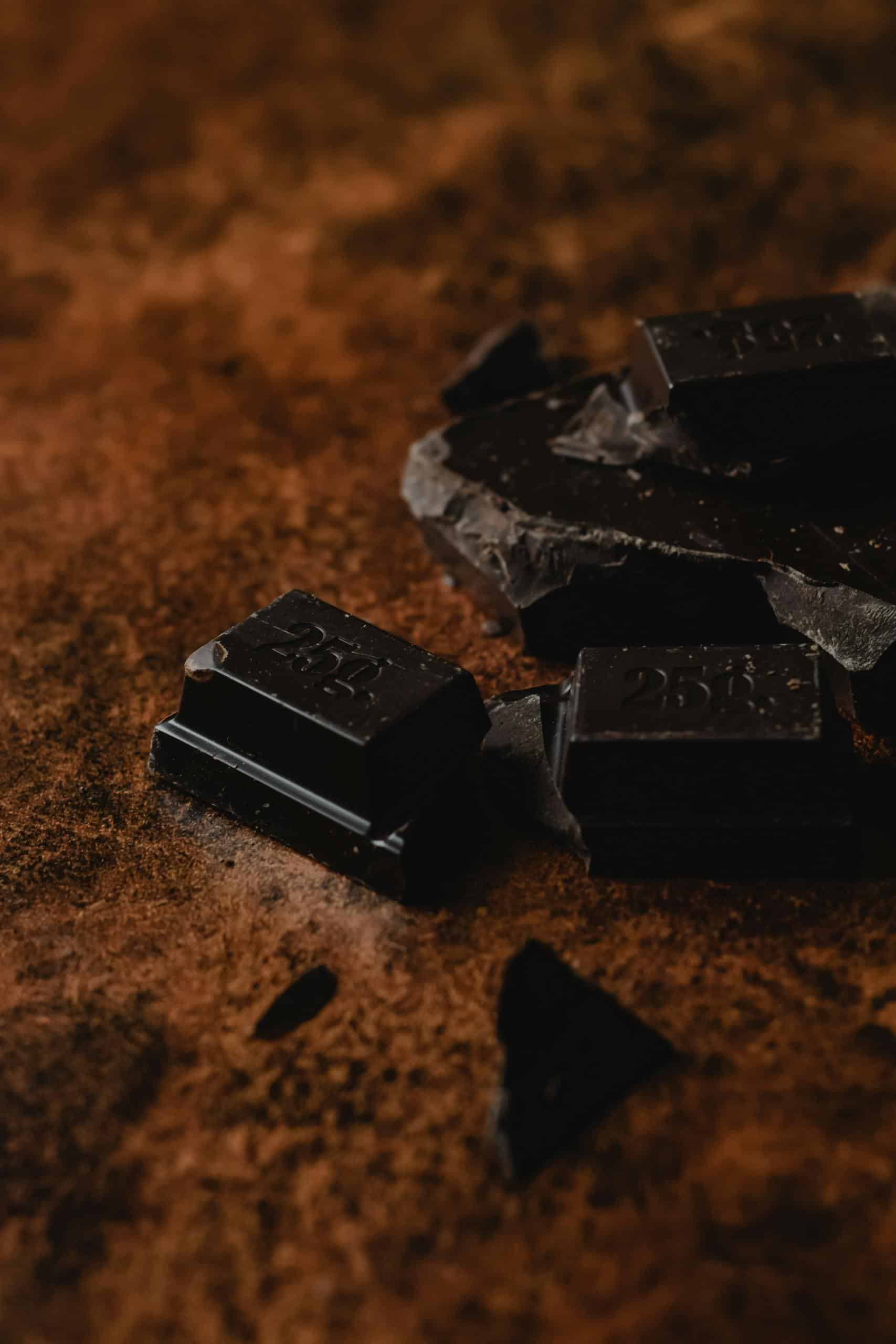
Black cocoa powder is an ultra-Dutched cocoa that’s been heavily alkalized to achieve a nearly black color. It’s what gives Oreo cookies their signature dark appearance. Its flavor is smooth, mellow, and less sweet, with a dry texture.
Chemical Properties
Like Dutch cocoa, black cocoa is neutral, so it won’t react with baking soda. It’s best used in recipes that include baking powder or no leavening at all.
When to Use It
Black cocoa is perfect for adding dramatic color to baked goods, such as black velvet cakes, dark chocolate cookies, or Halloween desserts. Because of its intense flavor, it’s often combined with Dutch or regular cocoa to balance taste and moisture.
Substitution Tip
Black cocoa can be very drying, so it’s best to replace only part of the cocoa in your recipe, start with substituting 25–50% of the total cocoa powder for black cocoa.
Want to try a recipe with black cocoa powder? Try my Double Chocolate Black Cocoa Cookies.
Comparison Chart
| Cocoa Type | Acidity | Color | Flavor | Best Used In |
|---|---|---|---|---|
| Regular (Natural) | Acidic | Light Brown | Sharp, classic chocolate | Recipes with baking soda |
| Dutch-Process | Neutral | Dark Brown | Smooth, mellow chocolate | Recipes with baking powder |
| Black Cocoa | Neutral | Jet Black | Deep, mild, less sweet | Dark cookies, cakes, frostings |
Success Tips for Baking with Cocoa Powder
- Always check the recipe’s leavening agent before substituting cocoa powders.
- Combine Dutch and black cocoa for a rich color and balanced flavor.
- Use high-quality cocoa for the best results, flavor can vary by brand.
- Sift cocoa powder before mixing to prevent lumps and ensure even distribution.
FAQ
Can I use black cocoa powder instead of Dutch cocoa?
Yes, but black cocoa is less sweet and drier. It’s best to replace only part of the Dutch cocoa in a recipe.
Why does my recipe specify a certain type of cocoa?
Because acidity affects how baking soda or powder works, using the wrong type of cocoa can change the rise, flavor, and texture of your baked goods.
What’s the best cocoa for cookies?
For classic flavor, use Dutch-process cocoa. For a bold, dark cookie, try mixing half Dutch and half black cocoa.
Do I need to adjust sugar when using black cocoa?
You can add a little extra sugar if you find the flavor too dark or bitter, but it’s often not necessary.
You Might Also Like
Final Thoughts
Understanding the difference between cocoa powders can completely change the way your baked goods taste and look. Regular cocoa adds that classic, slightly tangy chocolate flavor, Dutch-process cocoa gives a smooth, rich taste, and black cocoa delivers deep color and bold intensity.
Each type brings its own magic to recipes, and knowing when to use them helps you bake with confidence. Whether you’re making cookies, cakes, or brownies, choosing the right cocoa powder ensures your desserts come out with the perfect flavor, texture, and appearance every time.