Common Frosting Problems and How to Fix Them
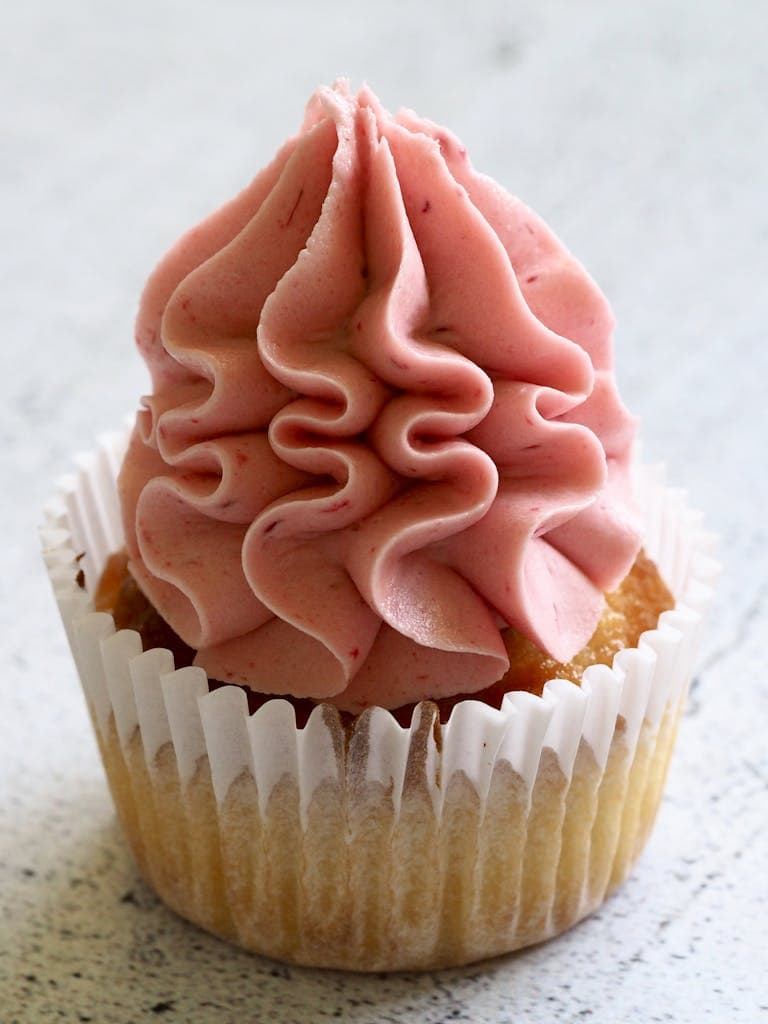
There’s nothing quite as satisfying as finishing a cake with the perfect swirl of frosting, but getting it silky smooth and stable can be tricky. From buttercream that won’t hold its shape to cream cheese frosting that’s too soft, frosting issues happen to everyone (even experienced bakers!).
Here’s a guide to common frosting problems and how to fix them, including buttercream, cream cheese, and whipped frosting.
This post may contain affiliate links, read our privacy policy.
Why You’ll Like This Guide
If your frosting ever turns out runny, gritty, or curdled, you’ll find the answers here. This post breaks down why these common frosting problems happen and how to fix them with simple kitchen tricks. You’ll also learn how to prevent them next time, so your frosting turns out light, fluffy, and picture-perfect every time.
Common Buttercream Frosting Problems and Fixes
Buttercream is a classic for a reason. it’s rich, fluffy, and easy to flavor. But it can also be one of the trickiest frostings to get right.
1. Buttercream is Too Runny
What’s happening: The butter was too warm, or you added too much milk or cream.
Fix it:
- Chill the bowl for 15–20 minutes, then re-whip.
- Add a few spoonfuls of powdered sugar until it thickens.
- Keep your butter slightly cool (around 65°F) next time.
2. Buttercream is Too Thick or Stiff
What’s happening: The frosting doesn’t spread easily or feels dense.
Fix it:
- Add milk, cream, or even a splash of heavy cream, one teaspoon at a time.
- Whip for another minute or two to add air and soften the texture.
3. Buttercream Looks Curdled or Separated
What’s happening: The ingredients were different temperatures, causing separation.
Fix it:
- If it looks too cold, warm the bowl slightly over warm water and re-whip.
- If too warm, chill it for 10 minutes and whip again.
- Make sure butter, milk, and sugar are all at room temperature before mixing.
Tip: Always beat buttercream on medium speed, too high can cause air bubbles and make it look rough.
Common Cream Cheese Frosting Problems and Fixes
Cream cheese frosting has a tangy flavor and creamy texture, but it can be softer than traditional buttercream.
1. Cream Cheese Frosting is Too Soft
What’s happening: The cream cheese was too warm or you used the spreadable kind from a tub.
Fix it:
- Chill for 20–30 minutes, then re-whip.
- Add powdered sugar a few tablespoons at a time to thicken.
- Use full-fat block cream cheese, not whipped or spreadable.
2. Cream Cheese Frosting is Grainy
What’s happening: Sugar wasn’t fully incorporated.
Fix it:
- Sift the powdered sugar before adding.
- Beat longer on medium speed until smooth and creamy.
3. Cream Cheese Frosting Broke or Curdled
What’s happening: The butter and cream cheese weren’t the same temperature.
Fix it:
- Let both ingredients come to room temp before mixing.
- If it’s too soft, chill it briefly and beat again.
Tip: Cream cheese frosting softens as it sits. frost cakes just before serving and refrigerate leftovers.
Common Whipped Frosting Problems and Fixes
Whipped frosting (made from heavy cream or stabilized whipped cream) is light and airy but can deflate quickly if not handled carefully.
1. Whipped Frosting Won’t Whip or Stay Fluffy
What’s happening: The cream wasn’t cold enough or was overwhipped.
Fix it:
- Chill your bowl and beaters before whipping.
- Stop whipping as soon as stiff peaks form.
- If overwhipped, add a tablespoon of cold cream and gently fold it in by hand.
2. Whipped Frosting is Too Soft
What’s happening: The cream was underwhipped or too warm.
Fix it:
- Whip it slightly longer, but watch closely.
- Use a stabilizer (like powdered sugar, cornstarch, or instant pudding mix) to help it hold shape.
3. Whipped Frosting is Grainy
What’s happening: The cream started turning into butter.
Fix it:
- You’ve gone too far, add 1–2 tablespoons of cream and mix on low just until smooth again.
- Next time, stop at soft or stiff peaks, don’t let it go dry or clumpy.
Tip: Always frost cakes with whipped cream just before serving, and keep them chilled to maintain structure.
My Frosting Has Air Bubbles
The Problem:
Tiny bubbles make your frosting look uneven or pockmarked, especially when piping.
How to Fix It:
- Mix on low speed: After your frosting comes together, mix on low for 1–2 minutes to release excess air.
- Use a spatula to smooth: Gently press and fold the frosting with a rubber spatula before piping.
Pro Tip: Let the frosting rest for 15 minutes before using, it helps air bubbles settle.
My Frosting Tastes Too Sweet
The Problem:
Even the prettiest frosting won’t save a dessert that’s overwhelmingly sweet.
How to Fix It:
- Add a pinch of salt: It balances the flavor without making it salty.
- Add cream cheese or mascarpone: For a tangy, less-sweet frosting.
- Use less sugar next time: Many recipes can handle a ¼ cup less powdered sugar without losing structure.
Pro Tip: A dash of espresso powder or a touch of lemon juice can tone down sweetness while adding depth.
Frosting FAQ’s
What’s the difference between buttercream, cream cheese, and whipped frosting?
- Buttercream: Made with butter and powdered sugar; rich, stable, and perfect for piping.
- Cream Cheese Frosting: Uses cream cheese for tang and softness; best for carrot or red velvet cakes.
- Whipped Frosting: Made from heavy cream; light, fluffy, and best for chilled desserts.
How can I make frosting less sweet?
Add a pinch of salt, a dash of lemon juice, or a spoonful of cream cheese. You can also reduce the sugar slightly, most recipes are forgiving by about ¼ cup.
Can I refrigerate or freeze frosting?
Yes! Most frostings can be refrigerated for up to 5 days. Bring to room temperature and re-whip before using. You can freeze buttercream for up to 3 months in an airtight container.
Why does my frosting melt on my cake?
The cake may have been too warm. Always cool baked goods completely before frosting. Warm cakes will melt butter-based frostings instantly.
Can I color or flavor any frosting?
Absolutely. Use gel food coloring for vibrant colors without thinning the frosting, and add extracts like vanilla, almond, or peppermint to suit your recipe.
Can I make frosting ahead of time?
Yes! Most frostings can be made up to 3–5 days in advance. Store them in an airtight container in the refrigerator, then bring to room temperature and re-whip before using to restore a smooth, fluffy texture.
Why does my frosting melt off my cake?
This usually happens if your cake is still warm or the frosting is too soft. Always let your cake cool completely before frosting, and keep your frosting slightly chilled if your kitchen is warm or humid.
How do I make frosting thicker without adding more sugar?
You can thicken frosting by chilling it for 15–20 minutes or mixing in a tablespoon of cornstarch, cream cheese, or cocoa powder (depending on your flavor). These ingredients firm it up without adding extra sweetness.
Can I make frosting without butter?
Yes! Shortening works well for stability, especially in warm weather. You can also use coconut oil or vegan butter for a dairy-free version. just note that texture and flavor may vary slightly.
How do I get perfectly smooth frosting?
Start with softened butter and sifted powdered sugar. Beat your frosting for several minutes on medium speed, scraping the bowl often. For ultra-smooth cakes, use an offset spatula dipped in hot water (then wiped dry) to finish the surface.
How can I fix frosting that’s full of air bubbles?
If your frosting looks airy or rough, mix it on low speed for 1–2 minutes before using, then press it gently with a spatula to release trapped air. Letting it rest for 10–15 minutes also helps bubbles rise and disappear.
Can I re-whip leftover frosting?
Yes! Most frostings re-whip beautifully after being chilled. Bring it to room temperature first, then beat on medium speed until smooth and fluffy again.
What’s the best way to store leftover frosting?
Keep leftover frosting in an airtight container in the refrigerator for up to 5 days. For longer storage, freeze it for up to 3 months. Thaw overnight in the fridge, then re-whip before using.
How can I make my frosting more stable in warm weather?
To keep frosting stable in heat, replace part of the butter with shortening, chill your cake before transporting, and store frosted desserts in a cool place until serving.
Can I use natural food coloring in frosting?
Absolutely! For naturally tinted frosting, use beet or strawberry powder for pink, matcha for green, turmeric for yellow, or cocoa powder for brown. These add soft, earthy hues without artificial dyes.
Final Frosting Tips
- Always start with room-temperature ingredients.
- Beat your frosting longer than you think, fluffiness takes time.
- Chill frosting if it’s too soft before piping or spreading.
- Taste and adjust salt, extracts, or citrus can transform your frosting from good to bakery-quality.